
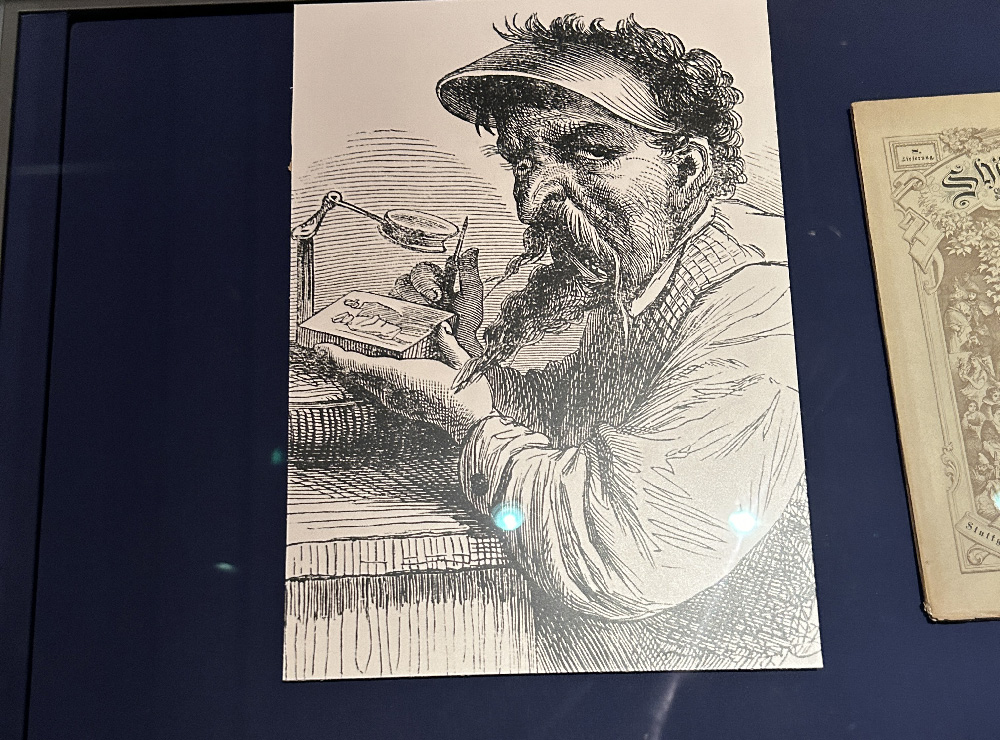
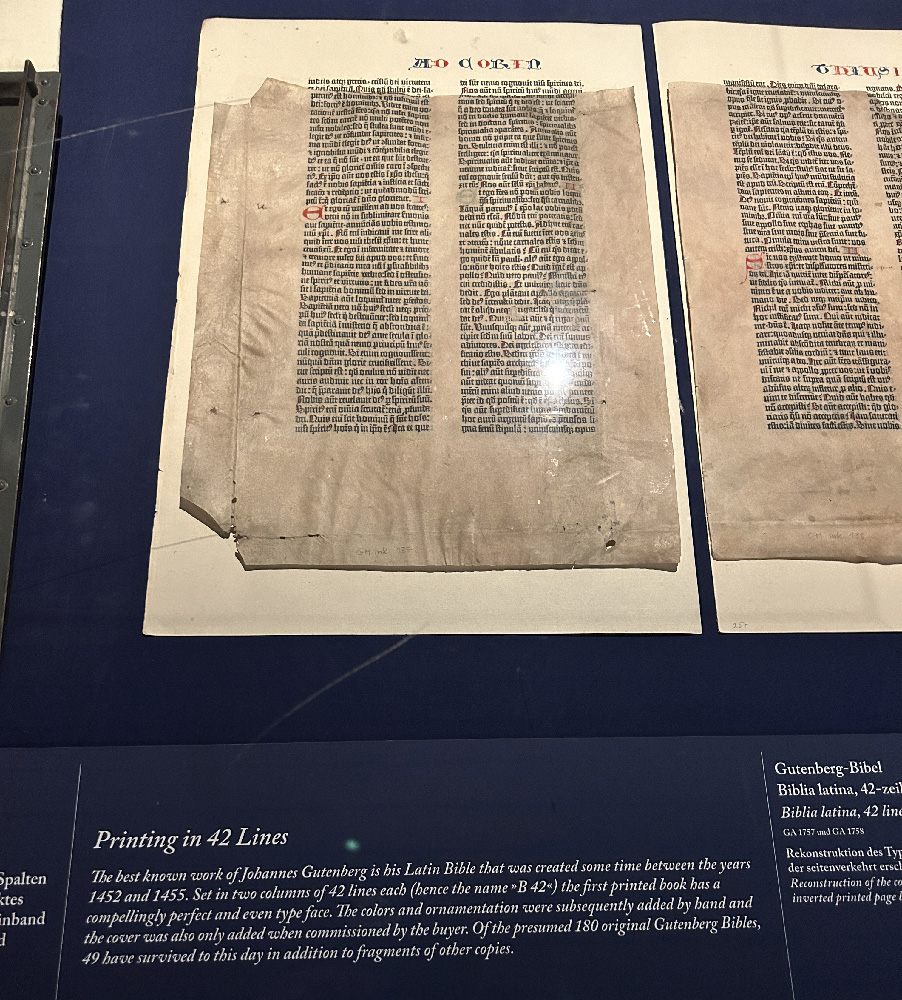
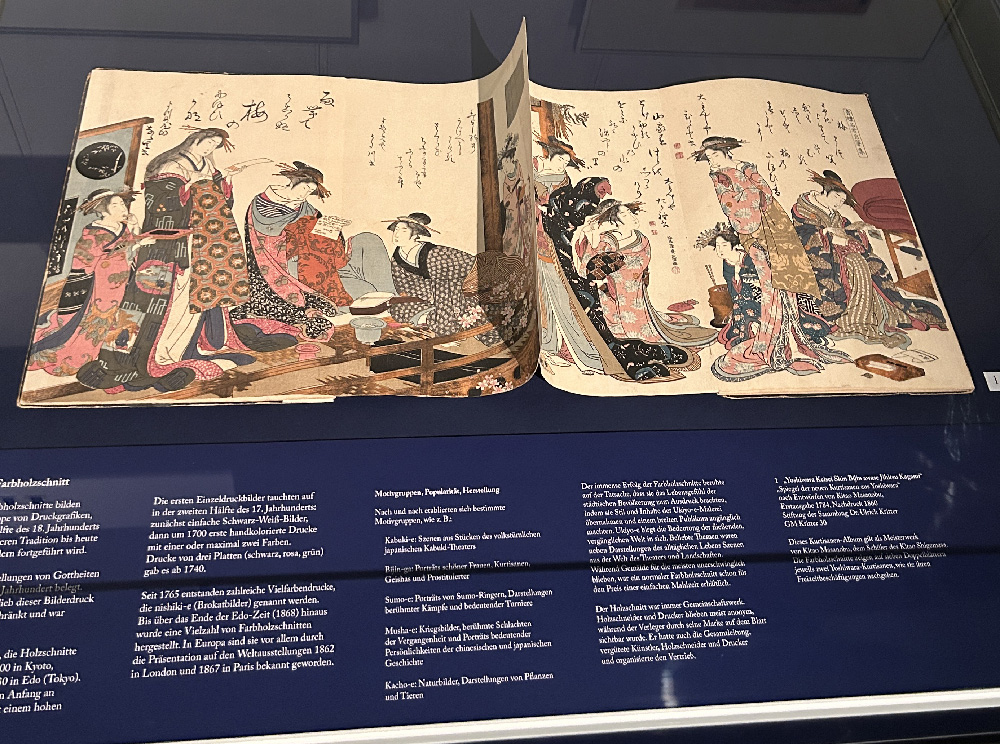
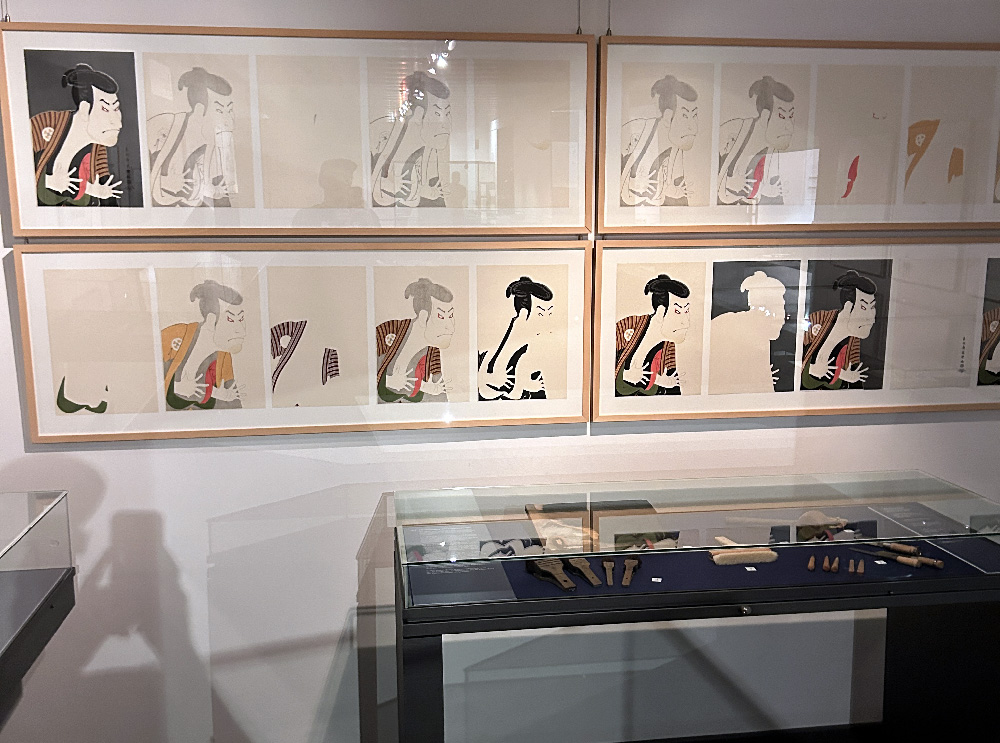
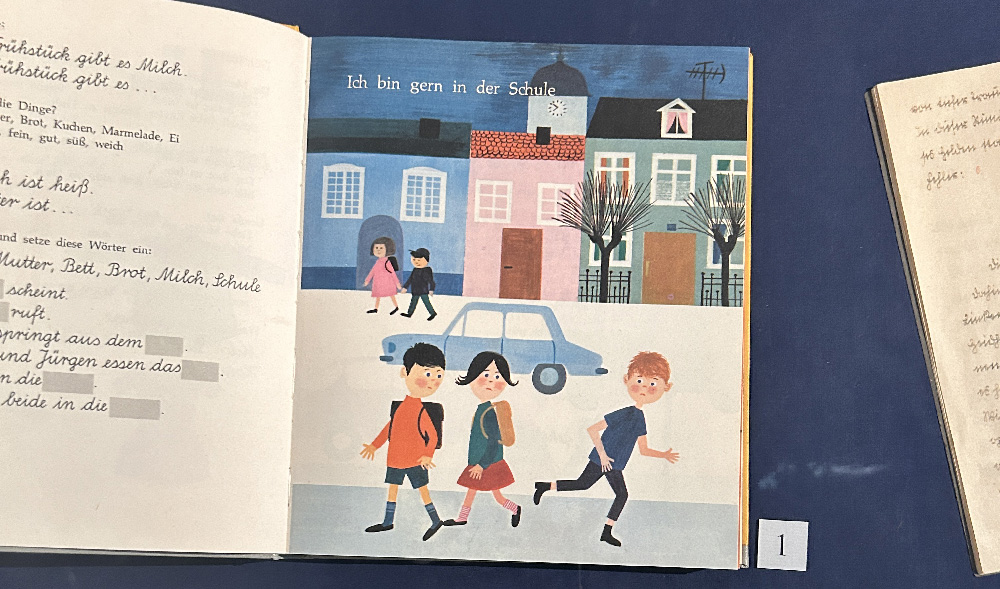
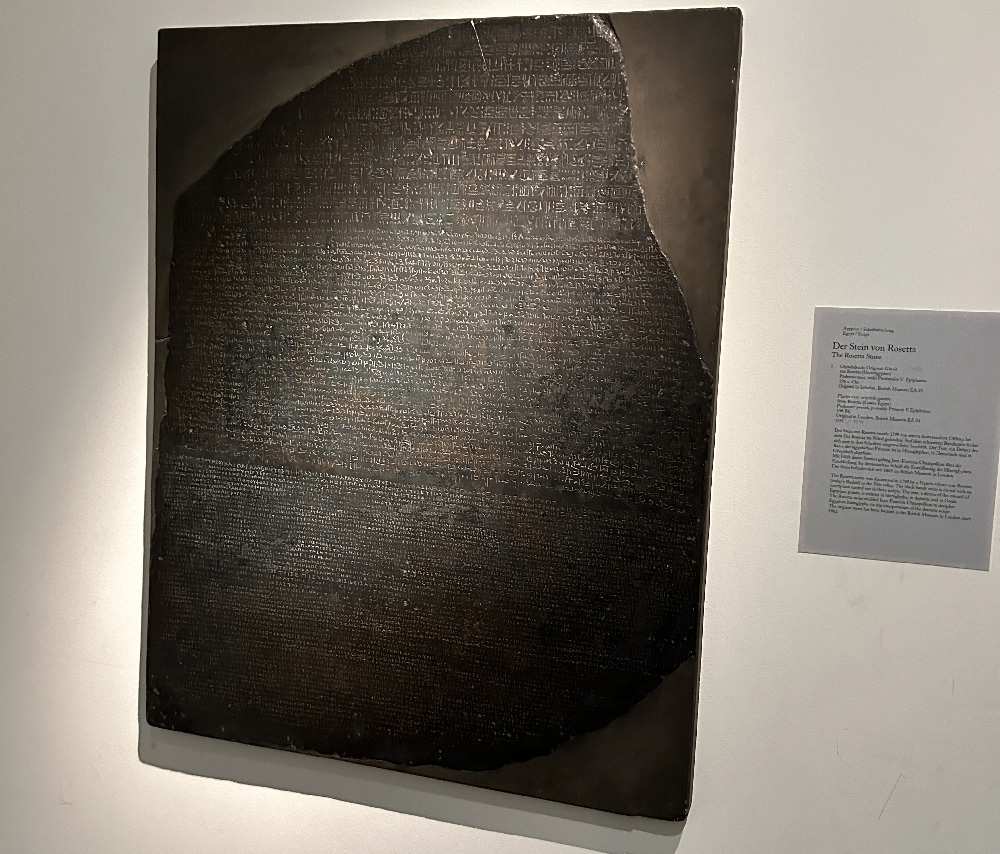
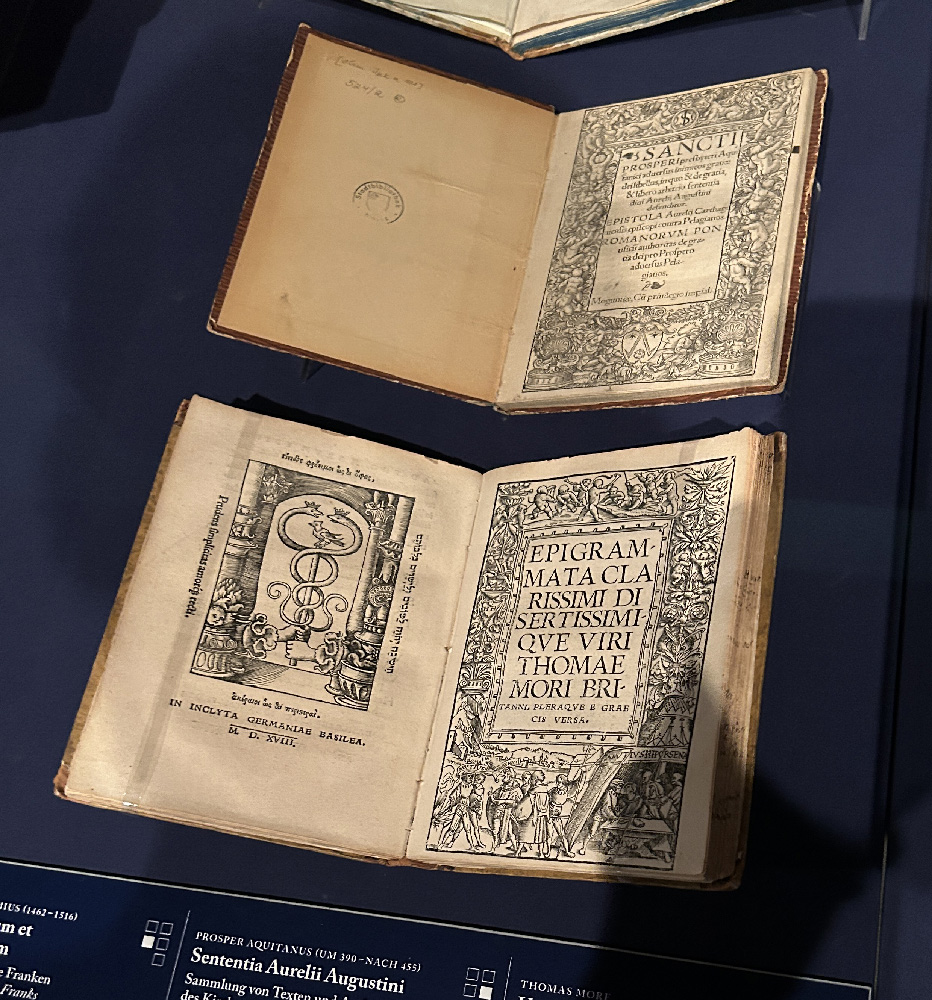
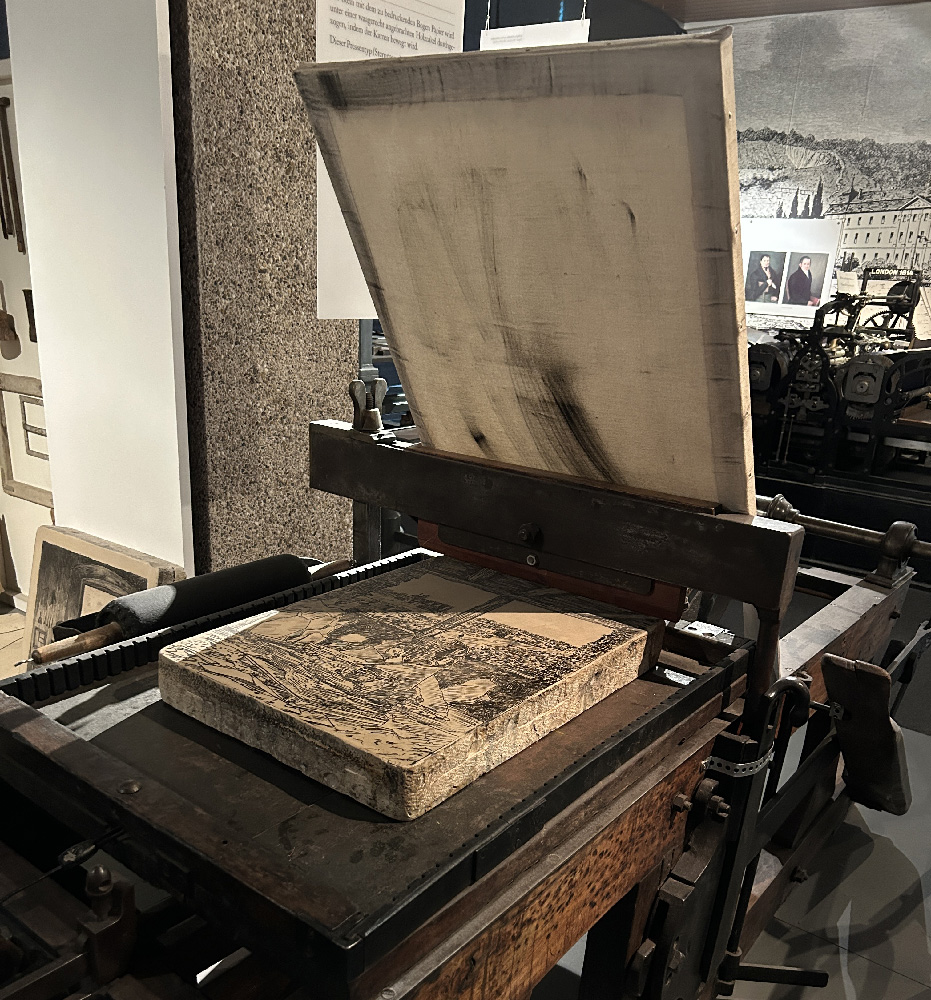
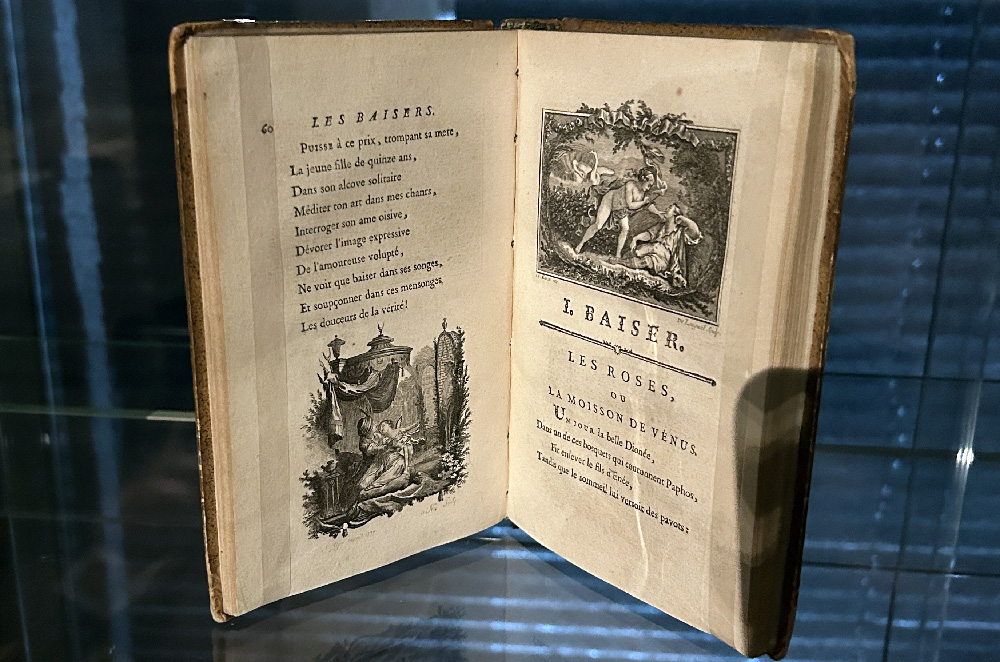
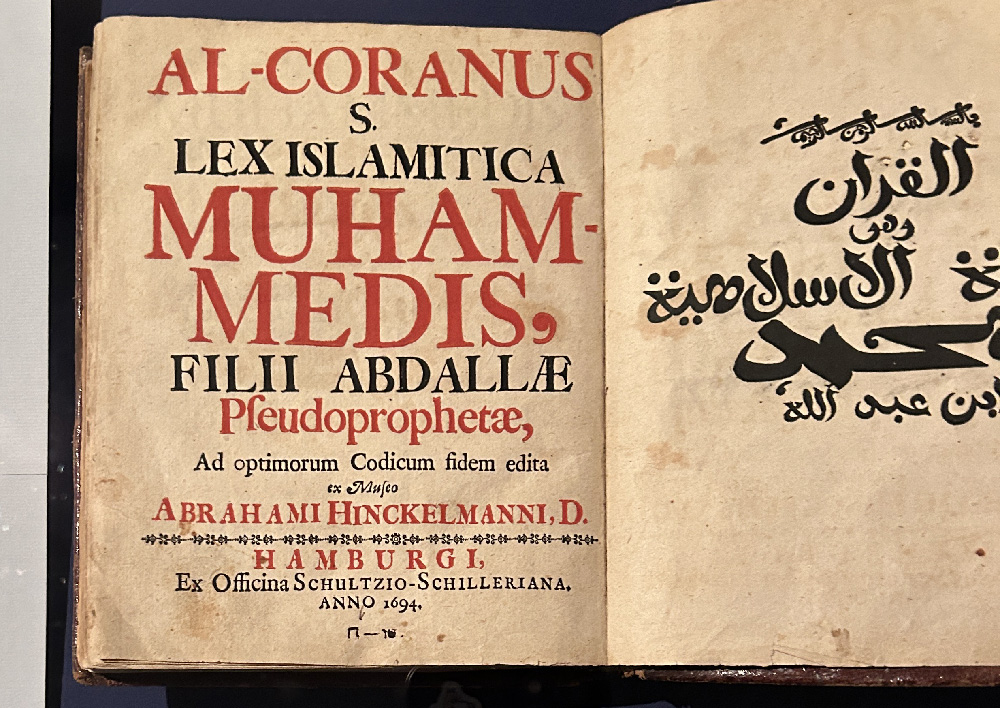
In Mainz, Germany I visited the Gutenburg Museum. It was well worth the $5 price tag and the old zine maker in me loved it. It’s a museum of print making with workshops and works of print dating back almost 4000 years (well that was a stone tablet) up to modern times. Making books, lithography and other types of print techniques are so interesting me. I filled my phone with photos of inspiration for the books I’m working on.

Anyhow, I also often get asked how I published my books. I can’t claim to be the most knowledgeable about self publishing but I’ve pulled off a few for myself, friends and clients. Print on demand self publishing has a lot of tradeoffs vs traditional publishing but has the big advantage of being very easy and inexpensive.

I searched around a lot when I started my first book and settled on working through Ingram Spark. I believe they are the biggest self-publishing publisher and seem to have a good world wide presence with their catalog. Local books stores will have access to all the titles they produce all the way up to Amazon/ any other online book seller you can think of in any country. Amazon has their own self publishing program that I read is best if you are planning on concentrating on Amazon sales only, but last I checked they did not produce hardcover books which I wanted for the Bernie book.
The basic process is quite simple though there is a lot of hoops to jump through that can be a little confusing at first.

You can set up an Ingram account at anytime with no charge and start figuring out how it works if you’re interested. To add a new book title to your account you prepare your book as a PDF in high quality print settings. Ingram has a good library of videos to walk you through those kinds of settings but you’ll pretty much need to put the final layout of the book together in Adobe Indesign. I only have basic knowledge of that program and was able to pull it off. Indesign is a layout program where you mix print and image files into one file (like a fancy powerpoint or something).
When you set up the title you buy an ISBN number and upload your PDF as the printing file. This cost less than $100 when I did it and that is the only cost you’ll incur. Once the book is set up you can order one single book or 1000. There isn’t any price breaks for quantities until you’re getting into way bigger numbers than that. The titles will be “print on demand” so when a book is ordered Ingram prints the book and ships it directly to wherever you tell them to.
You can choose whether or not to enable the book for “worldwide distribution.” When I launched Bernie I set up a preorder sale and did not at first enable worldwide distribution. I ordered books to my house to fulfill the preorders. I packed and shipped the books out on my own. You make a lot more profit this way but of course have to keep inventory and do all the shipping. It took me several days to ship out 700 books by myself.
Tip: A very easy to set up PayPal business account gives you access to their shipping system. You can easily print out shipping labels including the inexpensive “media mail” option if you are shipping books in the USA. It’s free and heck of a lot easier to use than Stamps.com or taking piles of packages to the post office.
After my pre-order sale I enabled worldwide distribution for the book. Then the book appeared in bookseller’s catalogs the world over. It is on Amazons in every country, book sellers in Japan, UK, Australia, etc. Monopolistic-corporate-monster-in-the-middle aside it is a pretty amazing system really! If someone buys a book from Amazon (or any book seller) Ingram prints that one single book and ships it to the customer directly (if Amazon sells a lot then they start stocking your book too). You don’t have to do anything as everything is automated. At the end of the month you get your cut of the sale (it is very small, like $1 or 2 a book). Ingram also has print locations in other countries. So if someone buys a book in the UK or Australia the books gets printed and shipped from that country saving a lot of shipping cost for the customer. Brick and mortar books shops the world over also are tapped into Ingram’s catalog and so you can easily walk into any book store, ask for a book by “Taj Mihelich”, and they will have it within a few days.
Of course Amazon kind of screws publishers over and if you want your book listed with them you have to give them 50+% of the sale price. There’s a dashboard where you can charge whatever you like for your book and choose what percentage profit you give to the bookseller. The big sellers will only list your book if they get the bulk of the profit meaning if you tried to only give Amazon 25% of the sale they would not list it.
You can’t pick and choose which sellers list your book unfortunately once worldwide distribution is enabled. If you wanted to only sell to brick and mortar stores and not the big internet sellers you would have to figure out a different means of distribution. You can of course wholesale books yourself though. If bike shops reach out to me to buy books I can have them shipped to the bike shop direct from the printer as easily as typing in an order (did an order for The Hub bike shop yesterday from my phone while out on a bike ride). Doing this I make more on the sale and there is room for the bike shop (or could be a local book store) to profit as well.
Ingram has a variety of book styles you can choose from. Play around with this calculator to see the pricing. It is a good idea to pick a book size before you start designing anything. In my case the “hardcover, premium color, 11 x 8.5 format” I chose for Bernie is the most expensive option there is! If I had made it a different size it could have been nearly half the price.
Try checking prices for just one book in different sizes, covers, etc to see how it works. The printing price is very reasonable. I’ve used the printing for small projects even if it isn’t a book at all (like a catalog or something).

Anyhow, it’s been several years since my first book was released I’ve not had to do anything else with it (except adjust the price occasionally to keep up with costs that slowly creep up). I’ve also made it into a softcover version and an ebook through Ingram spark. Each month I get a sales report and a direct deposit with sales from the USA and around the world.

The big challenge for books is selling them. That means entering the sometimes artistically painful world of promotion. You can pay a bit to advertise your book within Ingram’s catalog and that might help a little. You can also enable a buyback policy where books stores can stock your book and then return it if it does not sell. This encourages shops to give the a book a try since they won’t lose any money if it doesn’t sell. It can be a bit messy though when a year later book stores start sending unsold books back to Ingram and you get charged for them (so I disabled that). Ultimately selling a lot of books comes down to your own book promotion plan. I mostly avoided all that and so likely could have sold more books than I have. Weirdly Target stocked Bernie one season and out of the blue a 1000 books sold. Not sure how that happened but it was a cool surprise. If you really wanted to sell a lot of books it would take setting up book store visits and traveling around talking about the project.
However, for me selling a lot of books was not part of the motivation. It is just cool to have my book in physical form existing in the world! Hopefully I will finish my next projects up for print soon.
I’ll try to answer any questions below if you have any.


Leave a Reply